
The Body Keeps the Score: Why Logic Isn't Enough to Heal
It's a common misconception that understanding our trauma is enough to heal from it. We spend countless hours in therapy, reading self-help books, and logically piecing together the events of our past. We understand why we react the way we do—we can trace our anxiety back to a chaotic childhood, or our trust issues to a past betrayal. But despite this intellectual clarity, the anxiety remains, the hypervigilance persists, and the old patterns stubbornly refuse to disappear.
This is because your nervous system doesn’t heal just because you now understand your past and emotional wounds logically.
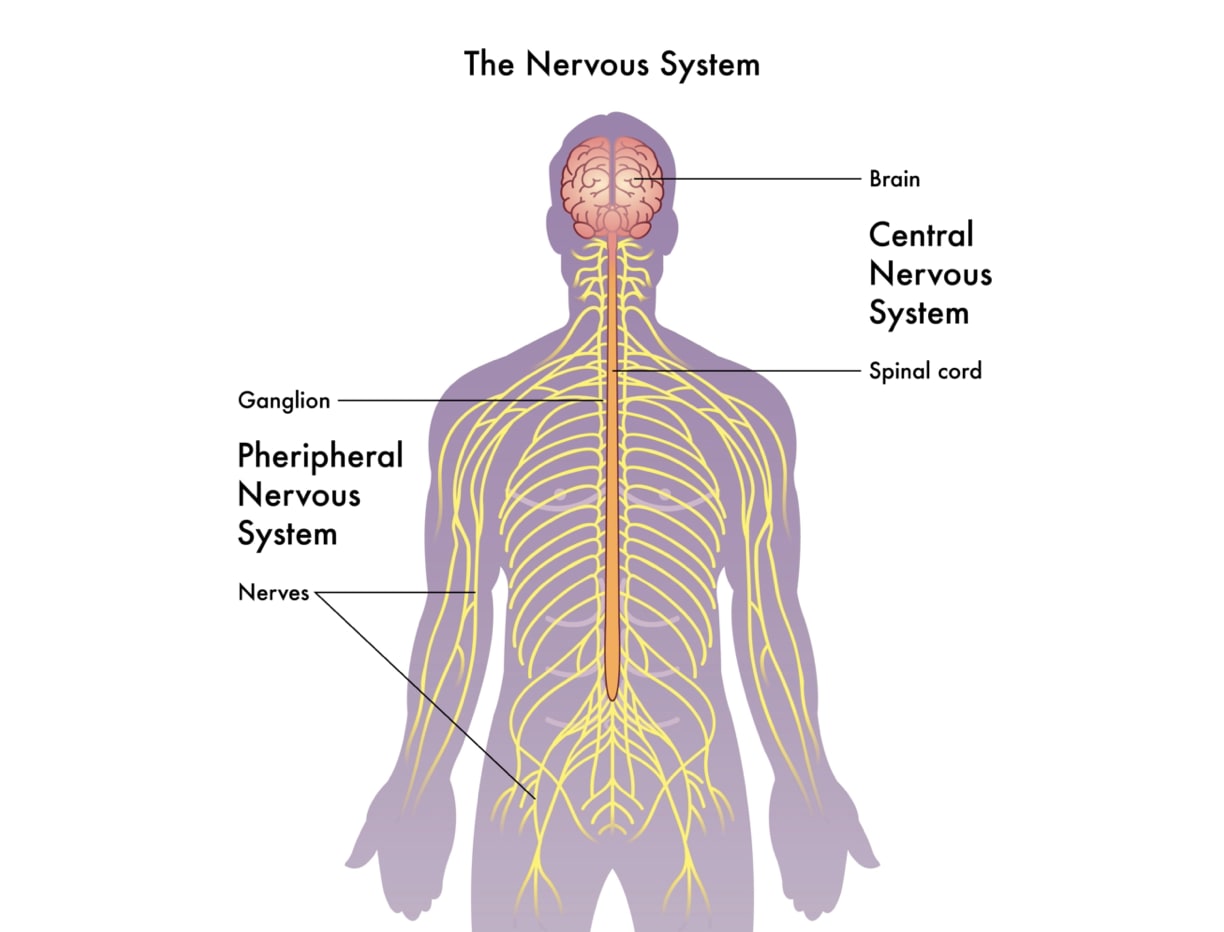
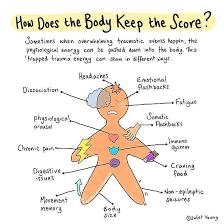
Healing isn't an intellectual exercise; it's a somatic one. The trauma lives not in your thoughts, but in your body. It is stored as a series of physiological responses, a set of instincts that were once necessary for survival. Your body doesn't speak the language of logic; it speaks the language of safety and sensation.
The Body's Traumatic Memory
When you experience trauma, your nervous system is rewired to be constantly on high alert. It learns to anticipate danger, even when there is none. This is a survival mechanism. If a dog bites you, your brain learns to associate dogs with danger, and your body will react with a jolt of fear every time you see one. Similarly, if your childhood was filled with emotional volatility, your body learned to anticipate outbursts and rejection.
This is why you can logically understand that your current partner is safe, but your body still tenses up at a raised voice. Your nervous system is expecting history to repeat itself. It is still operating on the rules of the past.
From Logic to Embodiment: The Path to True Healing
So, how do you heal a body that is stuck in the past? It's not by thinking your way out of it. It’s by helping your body stop expecting history to repeat itself.
This requires a shift from intellectual processing to embodied awareness.
- Somatic Awareness: Pay attention to the physical sensations of your emotions. When you feel anxiety, where do you feel it in your body? A tight chest? A knot in your stomach? By simply noticing these sensations without judgment, you create a bridge between your logical mind and your body's experience.
- Creating a Sense of Safety: Healing is about building a new, positive set of experiences that override the old, traumatic ones. This can be as simple as spending time in nature, practicing deep breathing, or finding safe touch. These small acts send a new message to your nervous system: "You are safe now."
- Mindful Movement: Practices like yoga, tai chi, or simply dancing can help release the stored trauma and tension in your body. They help you regain a sense of control over your physical self and reconnect your mind with your body in a compassionate way.
Healing is a journey of re-parenting your nervous system. It's about showing your body, through actions and sensations, that the danger has passed. When your body finally feels safe, it will begin to release the old patterns, and you will find that the intellectual understanding you've gained will finally be able to take root.
Ready to move beyond the chair?
Please fill out the form below, and I will be in touch within 48 hours to schedule your consultation.
Contact Me
Office location
235 N Westmonte Dr., Altamonte Springs, Florida, 32714Send us an email
[email protected]