
Beyond the Ache: How Pain Can Be a Pathway to Healing
We’ve all experienced pain. Whether it’s the sting of a physical injury or the deep ache of a broken heart, we’re taught to see pain as something to be avoided, a sign that something is wrong. We’re quick to numb it, distract from it, or push it away. But what if we’ve been looking at pain all wrong? What if true, transformative pain doesn’t seek to control or hurt us, but instead offers a profound opportunity for healing and growth?
This isn’t about glorifying suffering or suggesting that we should seek out pain. Rather, it’s about shifting our perspective on what pain is and what it can do for us.
Pain as a Compass
Imagine pain not as a prison, but as a compass. It points us toward the parts of ourselves that need attention, love, and care. When we feel the sharp pang of loneliness, it’s a signal that we might need to connect more deeply with others or with ourselves. When we experience the ache of a professional failure, it’s a signpost to re-evaluate our goals and learn from our mistakes.
We often misinterpret these signals. Instead of listening to the message, we get lost in the feeling itself. We let the pain of loneliness convince us we are unlovable, or the pain of failure tell us we are incompetent. In these moments, the pain isn’t the problem; our interpretation of it is.
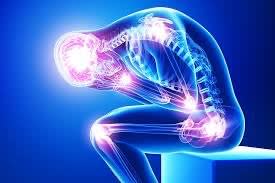
The Difference Between Pain and Suffering
This perspective requires us to differentiate between pain and suffering. Pain is an unavoidable part of the human experience. It’s the sensation, the feeling, the event. Suffering, on the other hand, is our resistance to pain. It’s the story we tell ourselves about the pain.
• Pain: The feeling of grief after a loss.
• Suffering: Believing that you’ll never be happy again and that your life is over because of that loss.
The pain itself doesn’t control or hurt us; our attachment to the story of the pain does. When we can sit with the pain without the narrative—when we can simply feel the ache without the judgment or the fear—we begin to free ourselves from the suffering.
The Kintsugi Philosophy: Healing with Gold
In Japan, there is an ancient art form called Kintsugi, which means “golden joinery.” When a piece of pottery breaks, instead of throwing it away, the fragments are mended back together using a lacquer dusted with powdered gold. The philosophy behind Kintsugi is that the broken pottery is not only more beautiful for having been broken, but the very act of mending highlights its history and resilience. The breaks aren’t hidden; they are illuminated.
This is a powerful metaphor for our own pain. Our emotional wounds and the scars they leave behind don’t have to be sources of shame. They can be our Kintsugi. When we face our pain, understand its message, and integrate it into our lives, we don’t just heal—we become stronger and more beautiful for having gone through it. The pain doesn’t control us; it becomes a part of our unique and valuable story.
How to Turn Pain into Healing
So, how do we actively engage with pain in a way that heals instead of harms?
- Acknowledge and Sit with It: The first step is to stop running from it. Create a safe space to simply feel the pain without judgment. Let the tears flow, let the anger burn, without letting it control you.
- Listen to Its Message: Ask yourself, “What is this pain trying to tell me? What part of me needs attention right now?”
- Practice Self-Compassion: Treat your wounds as you would treat a friend’s. Be kind and gentle with yourself. Remember that it’s okay to not be okay.
- Seek Support: You don’t have to navigate pain alone. A trusted friend, family member, or therapist can provide a safe space to process your feelings and find clarity.
True pain, when embraced and understood, doesn’t control or destroy. It acts as a crucible, a transformative force that breaks us down only to build us back up, not as we were before, but as a more resilient, compassionate, and beautiful version of ourselves. It doesn’t hurt; it heals.
Ready to move beyond the chair?
Please fill out the form below, and I will be in touch within 48 hours to schedule your consultation.
Contact Me
Office location
235 N Westmonte Dr., Altamonte Springs, Florida, 32714Send us an email
[email protected]