
Beyond Physical Abuse: How to Recognize Coercive Control
Posted on December 3rd, 2025
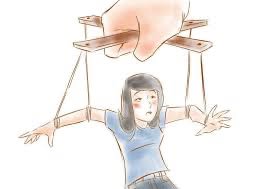
When we think of domestic abuse, our minds often jump to physical violence. However, the most destructive and pervasive form of abuse is often invisible: coercive control. Coercive control is a pattern of behavior that seeks to dominate, isolate, and strip away a person’s sense of self and autonomy. It’s a calculated strategy to make the victim dependent and compliant.
Unlike a single outburst, coercive control is a chronic, strategic pattern that creates a cage for the victim. Learning to recognize its signs is the critical first step toward freedom.
The Red Flags of Coercive Control
Coercive control works by systematically attacking the foundations of a person’s life, leaving them feeling trapped, confused, and powerless. Here are the most common signs:
- Isolating You from Your Support System: The abuser will work to cut off your lifelines. This can be subtle—complaining every time you see a specific friend or family member—or overt, such as demanding you block people on social media or moving you far away. The goal is simple: if you have no one to talk to, you have no one to validate your reality.
- Monitoring Your Activity Throughout the Day: This is the constant surveillance that erodes your sense of privacy. They may demand to see your phone and email, track your location with apps, call you multiple times while you're out, or require detailed accounts of your time. This ensures you feel watched, eliminating your freedom to act independently.
- Denying You Freedom and Autonomy: The controller begins to dictate the mundane aspects of your life. This could include telling you when you can leave the house, what you can wear, what you can eat, or even when you must go to bed. They make it clear that your life is not your own.
- Limiting Your Access to Money or Ability to Make Money: Known as financial abuse, this tactic makes leaving the relationship nearly impossible. They may forbid you from working, require you to hand over your paycheck, give you a meager “allowance,” or put all assets in their name. This ensures your reliance on them for survival.

The Psychological Warfare
The deepest damage done by coercive control is often psychological. The abuser manipulates your perception of reality to make you trust them more than you trust yourself.
- Gaslighting You and Shaming Your Thoughts: The abuser tells you what’s important, how to think, and shames you when you disagree. They might tell you, “You’re too emotional,” “That never happened,” or “You’re crazy.” This technique, known as gaslighting, makes you doubt your memory, judgment, and sanity, making you reliant on the abuser’s version of reality.
- Alienating You If You Think Otherwise: If you assert your own beliefs, opinions, or a dissenting perspective, they will punish you with coldness, silent treatment, or intense arguments. This teaches you that the price of having your own thoughts is the withdrawal of love or peace.
- Turning People Against You If You Aren’t Agreeable: When you try to confide in others or resist their demands, the abuser will smear your name, lie about your actions, and paint you as the unstable or unreasonable one. This tactic ensures that if you seek help, you are met with skepticism, further isolating you.
If you recognize these patterns in your relationship, understand that you are not being overly sensitive—you are in a relationship defined by abuse and control. Coercive control is illegal in many places precisely because it is so destructive.
Your feelings are valid, and seeking help is the most courageous step you can take toward reclaiming your autonomy and your life.

Ready to move beyond the chair?
Please fill out the form below, and I will be in touch within 48 hours to schedule your consultation.
Contact Me
Office location
235 N Westmonte Dr., Altamonte Springs, Florida, 32714Send us an email
[email protected]